The domino effect of youth protests reshaping global education debates
The year 2026 has become a turning point in global education, as youth-led protests in France, Italy, Albania, and beyond expose systemic failures in academic systems worldwide. From underfunded classrooms to unaffordable housing, young people are demanding accountability, not just change.
Europe’s boiling point: when classrooms become battlegrounds
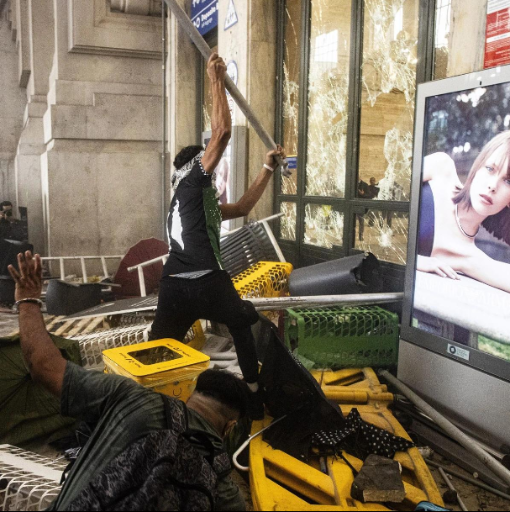
In France, the movement began quietly in mid-September before erupting into nationwide strikes by October 1, with over 1,000 secondary schools affected. Students cite overcrowded classrooms, underpaid teachers, and crumbling infrastructure as their core grievances. While some marches remained peaceful, others escalated into clashes with authorities, overshadowing the original demands.
Italy’s protests on October 16 drew thousands to Milan, Rome, and Turin, where demonstrators challenged education cuts and a controversial policy limiting immigrant student quotas in certain schools. Violent incidents marred the demonstrations, with police responding to projectiles and fireworks.
Albania’s capital, Tirana, saw intensified unrest on October 14, as students set fires to government buildings and banks, protesting unpaid scholarships and alleged corruption. Authorities struggled to maintain order while grappling with a crisis of legitimacy.
Belgium’s francophone region witnessed its own wave of student mobilizations in early October, as youth rejected austerity measures and education reforms. While some protests turned violent, organizers emphasized the movement’s distinct local roots rather than mere imitation of neighboring protests.
Africa’s academic standstill: bursaries, strikes, and survival
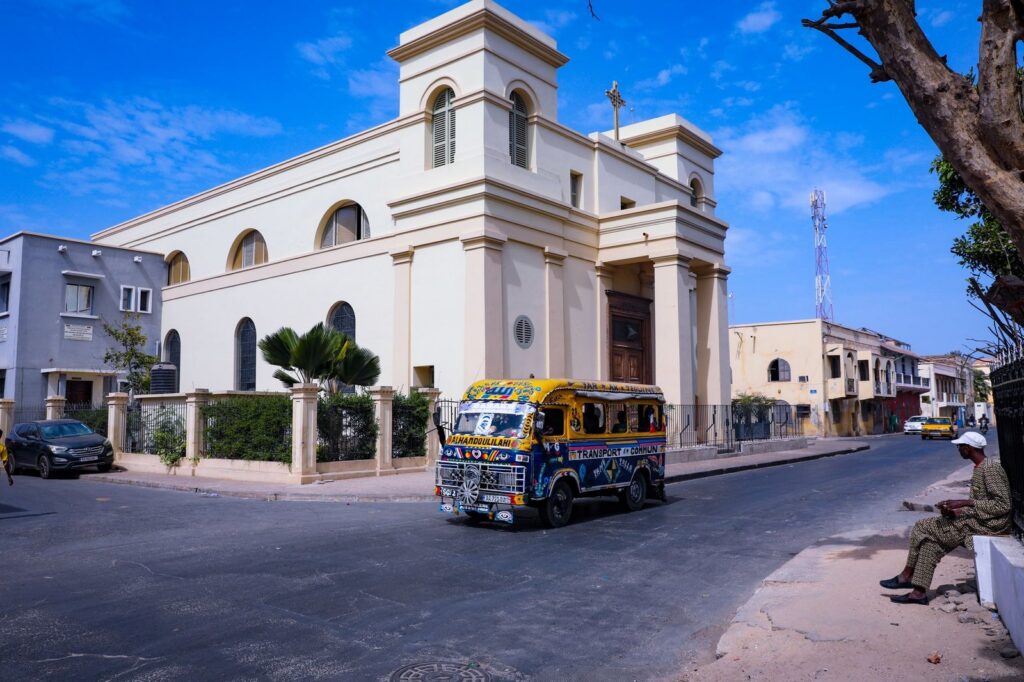
In Senegal, the University of Cheikh-Anta-Diop in Dakar became a flashpoint when delayed scholarship payments plunged students into crisis. The death of student Abdoulaye Ba in February 2026 intensified the unrest, leading to university closures and a government pledge to investigate. For many, these bursaries are lifelines—without them, food, shelter, and education become unreachable.
Kenya’s public university teachers’ strike in October disrupted courses at the University of Nairobi, leaving students to protest delayed exams and unmet academic needs. Though not parties to the labor dispute, they bear the consequences of budgetary standoffs between unions and the government.
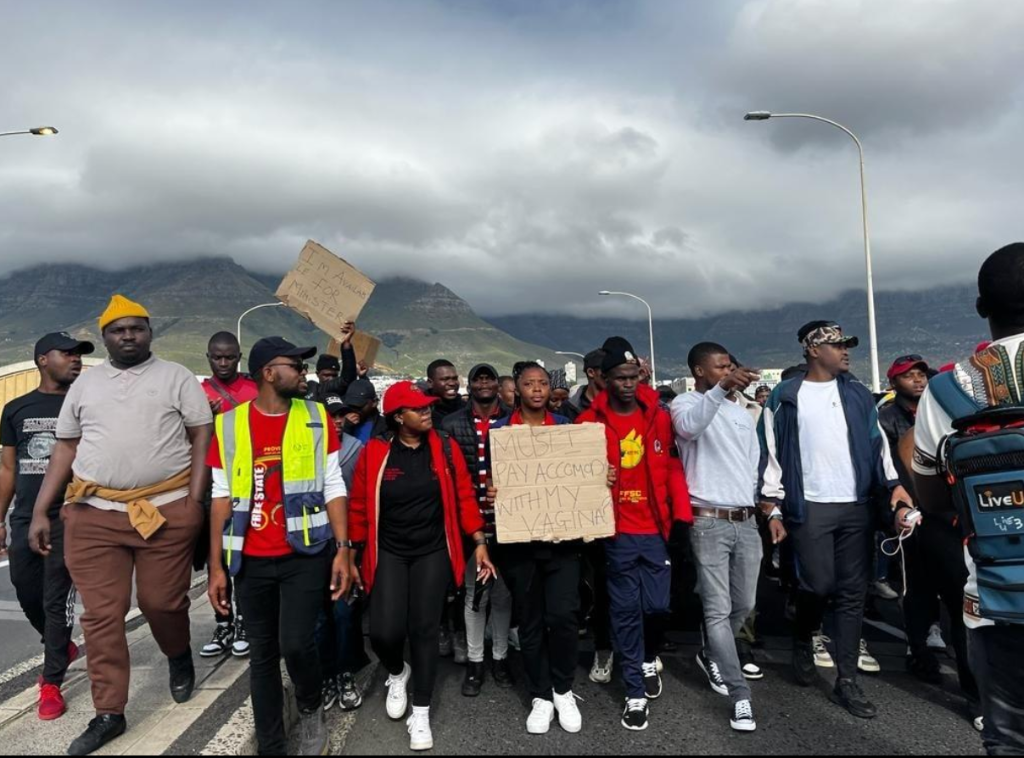
South Africa’s Rhodes University saw protests over proposed fee structures that could bar students from re-enrollment in 2027. Despite 13 arrests during demonstrations, local reports later confirmed that charges were dropped, highlighting the fragile balance between authority and youth frustrations.
From South America to Southeast Asia: economic desperation fuels activism
In Argentina, a nationwide university march on October 15 united students, faculty, and staff against budget slashes and unpaid salaries. Protesters invoked laws guaranteeing university funding, framing the struggle as one of survival against austerity.
Indonesia’s June 12 demonstrations reflected broader economic anxieties, as students railed against surging fuel and food prices while questioning the government’s spending priorities. The movement blended economic demands with political disillusionment, signaling how youth frustration extends beyond academic walls.
Behind the barricades: why repression won’t silence the demands
Governments have responded with mixed strategies—announcing funding packages, deploying police, and, in some cases, filing charges. Yet the crackdowns have done little to address the root causes: unaffordable education, uncertain futures, and a perceived betrayal by institutions.
Violence, whether perpetrated by protesters or security forces, undermines legitimate grievances. But the greater risk lies in dismissing youth concerns as mere unrest. The real challenge is restoring faith in education as a pathway to stability.
What comes next: rebuilding trust, not just order
The 2026 protests are not a monolithic revolt—they are scattered cries for recognition. Each country’s youth faces unique struggles, but the common thread is disillusionment with systems that fail to deliver on promises of opportunity.
For governments, the path forward requires more than temporary fixes. It demands long-term commitments: honoring scholarship disbursements, investing in school infrastructure, and ensuring that education remains a tool for upward mobility, not a dead-end.
The question now is whether states will listen—or whether a generation disillusioned with education will become the architects of a new, confrontational politics.